January 08, 2026
Clean air is not a luxury in hospitals—it is a necessity. From operating rooms and intensive care units to isolation wards and laboratories, air quality plays a critical role in patient safety, infection control, and staff health. One of the most important components of hospital air purification systems is the hospital HEPA filter.
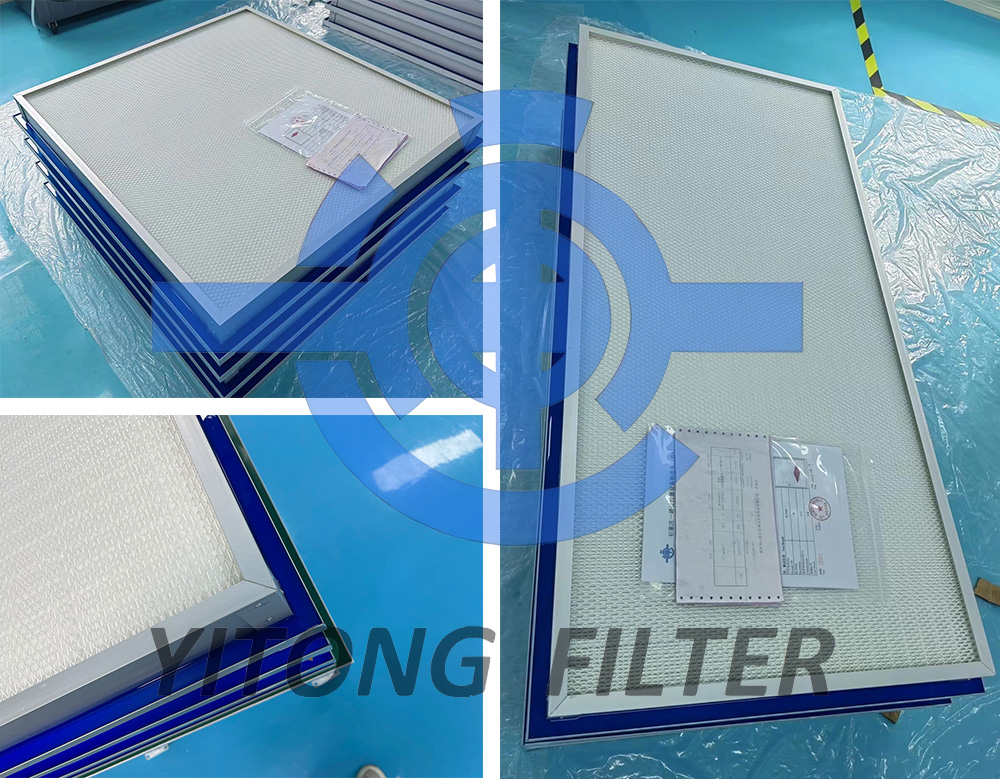
In this comprehensive guide, we will explain what hospital HEPA filters are, how they work, where they are used, why they matter, and how to choose the right one for healthcare environments.
What Is a Hospital HEPA Filter?
A hospital HEPA filter is a high-efficiency air filter designed to remove extremely small airborne particles from the air. HEPA stands for High-Efficiency Particulate Air. According to international standards, a true HEPA filter can remove:
99.97% of particles ≥ 0.3 microns
Including bacteria, viruses attached to droplets, dust, pollen, mold spores, and other contaminants
In hospital settings, HEPA filters are integrated into HVAC systems, air handling units (AHUs), laminar flow systems, and standalone air purification devices to ensure a clean and controlled environment.
Why HEPA Filters Are Critical in Hospitals
Hospitals are high-risk environments where airborne contamination can have serious consequences. Hospital HEPA filters play a vital role in:
1. Infection Control
Airborne pathogens can spread rapidly in healthcare facilities. HEPA filters help reduce:
Hospital-acquired infections (HAIs)
Cross-contamination between rooms
The spread of bacteria and viruses through ventilation systems
2. Protection of Immunocompromised Patients
Patients in oncology wards, transplant units, and ICUs often have weakened immune systems. Clean air filtered by HEPA systems reduces exposure to harmful microorganisms.
3. Surgical Safety
In operating rooms, HEPA filters maintain ultra-clean air conditions, helping prevent surgical site infections by removing airborne particles that could enter open wounds.
4. Compliance with Healthcare Standards
Hospitals must meet strict air quality regulations and guidelines, such as:
ISO cleanroom standards
ASHRAE guidelines
Local healthcare and building codes
HEPA filters help facilities stay compliant and pass inspections.
How Hospital HEPA Filters Work
Hospital HEPA filters are typically made of densely packed fibers arranged in a pleated structure. Air passes through the filter media, and particles are captured through three main mechanisms:
1. Interception – Particles following airflow paths stick to fibers
2. Impaction – Larger particles collide with filter fibers
3. Diffusion – Very small particles move randomly and are trapped
This multi-layer filtration process allows HEPA filters to capture even microscopic contaminants efficiently.
Common Applications of HEPA Filters in Hospitals
Hospital HEPA filters are used in many critical areas, including:
Operating Rooms
Laminar airflow systems with terminal HEPA filters
Maintain sterile surgical environments
Intensive Care Units (ICUs)
Protect vulnerable patients from airborne infections
Isolation Rooms
Negative pressure rooms for infectious diseases
Positive pressure rooms for immune-compromised patients
Laboratories and Pharmacies
Clean air for testing, drug preparation, and compounding
Cleanrooms and Sterile Processing Areas
Medical device sterilization
Equipment preparation
Types of Hospital HEPA Filters
Different hospital applications require different HEPA filter designs. Common types include:
1. Terminal HEPA Filters
Installed at the air outlet (ceiling or wall)
Used in operating rooms and clean areas
Often combined with gel seals for airtight installation
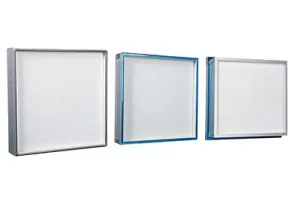
2. Box-Type HEPA Filters
Used in HVAC and AHU systems
High dust-holding capacity
Suitable for large airflow volumes
3. V-Bank HEPA Filters
Compact design with extended surface area
Lower pressure drop
Energy-efficient for hospital HVAC systems
4. Mini-Pleat HEPA Filters
Compact and lightweight
High filtration efficiency
Common in medical equipment and portable systems
Key Performance Parameters to Consider
When selecting hospital HEPA filters, several technical factors are important:
Filtration Efficiency
H13 (99.95%) or H14 (99.995%) according to EN 1822
Higher efficiency for critical healthcare areas
Airflow Capacity
Must match system design requirements
Stable performance under continuous operation
Pressure Drop
Lower initial resistance reduces energy consumption
Important for long-term operating costs
Leak Testing
Each hospital HEPA filter should be factory-tested
Scan tested to ensure zero leakage
Materials and Construction
Rigid frames (aluminum, galvanized steel, or plastic)
Fire-resistant filter media
Reliable sealing systems
HEPA Filters and Hospital HVAC Systems
Hospital HVAC systems are more complex than standard commercial systems. HEPA filters are usually part of a multi-stage filtration system, which may include:
1. Pre-filters – Capture large dust particles
2. Medium filters – Protect HEPA filters and extend service life
3. HEPA filters – Final stage for ultra-clean air
This staged approach improves system efficiency and reduces maintenance costs.
Maintenance and Replacement of Hospital HEPA Filters
Proper maintenance is essential for reliable performance:
Regular inspection and pressure drop monitoring
Scheduled replacement based on usage and environment
Safe handling and disposal to prevent contamination
Neglecting HEPA filter maintenance can compromise air quality and increase operational risks.
Benefits of High-Quality Hospital HEPA Filters
Investing in premium hospital HEPA filters offers long-term advantages:
Improved patient safety
Reduced infection risks
Lower energy consumption
Longer service life
Stable and reliable filtration performance
For hospitals, clean air is directly linked to quality of care.
How to Choose the Right Hospital HEPA Filter Supplier
When selecting a supplier, hospitals should consider:
Experience in medical and healthcare filtration
Compliance with international standards
Customization options for size and efficiency
Factory testing and quality control
Technical support and documentation
A reliable supplier ensures consistent performance and peace of mind.
Future Trends in Hospital HEPA Filtration
As healthcare standards continue to rise, hospital HEPA filters are evolving with:
Lower energy consumption designs
Smart monitoring systems
Improved filter media materials
Enhanced sealing and leak-proof technologies
These innovations help hospitals maintain cleaner air while reducing operating costs.
Conclusion
Hospital HEPA filters are a cornerstone of modern healthcare facilities. They protect patients, medical staff, and visitors by removing harmful airborne contaminants and maintaining controlled indoor air quality. Whether used in operating rooms, ICUs, isolation wards, or hospital HVAC systems, HEPA filters are essential for safe and efficient hospital operations.
Choosing the right hospital HEPA filter is not just a technical decision—it is a commitment to health, safety, and quality care.